Grow your business with unlimited leads in 2026 using smart marketing strategies, AI-driven tools, and scalable systems designed for consistent, high-quality growth.

How to Automate Your Business for Unlimited Leads in 2026

Business for Unlimited Leads in 2026

Key Takeaways

Introduction

Lead generation remains the lifeblood of modern business growth, yet most organizations still rely on labor-intensive manual processes that drain resources and limit scalability. The reality is stark: without automation, your sales team becomes a bottleneck, constrained by working hours, human capacity, and inconsistent follow-up protocols.

In 2026, the competitive landscape has fundamentally shifted. Businesses that automate their lead generation systems don’t just work faster—they work smarter. They capture leads at midnight as effectively as midday. They qualify prospects consistently, regardless of rep experience. They nurture hundreds of conversations simultaneously without additional headcount.

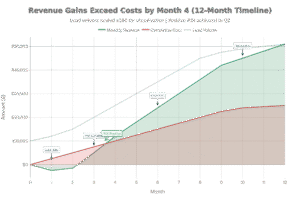
The numbers tell an undeniable story: companies implementing comprehensive lead generation automation see a 40% reduction in customer acquisition costs, 25% improvement in sales cycle times, and every dollar invested in automation returns $5.44 in revenue within three years. For marketing leaders and business owners seeking predictable, scalable growth, automation isn’t optional—it’s existential.

This guide decodes the complete automation framework for unlimited leads, from capturing first-touch visitors through closed deals. You’ll discover the exact workflows that top-performing organizations deploy, the AI-driven techniques reshaping prospecting, and the implementation roadmap that turns strategy into revenue-generating systems.

Why Automation is Essential for Unlimited Leads in 2026

Why Automation is Essential for Unlimited Leads in 2026 -

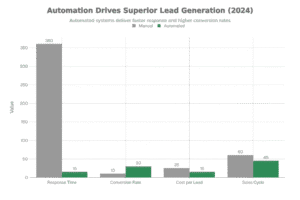
The traditional lead generation model operates against you. Sales representatives spend an average of 67% of their workday on non-selling activities: data entry, manual research, email management, and follow-up coordination. Meanwhile, qualified prospects grow cold waiting for response. A lead contacted within five minutes converts at three times the rate of one contacted 30 minutes later—a gap that manual processes cannot close at scale.

Automation inverts this dynamic. An automated system engages prospects within seconds of their first interaction, qualifying them systematically, delivering personalized nurture sequences, and routing warm opportunities to your sales team with complete context. The system operates continuously: capturing leads at 2 AM with the same professionalism as 2 PM, maintaining consistent processes regardless of team capacity, and scaling without proportional increases in headcount.
Why Automation is Essential for Unlimited Leads in 2026-Business for Unlimited Leads in 2026
Credits – Mailchimp

The market data confirms this transformation. Seventy-nine percent of B2B marketers have already incorporated AI-powered automation into their strategies, with 53% planning significant increases in 2026. Organizations using multi-channel automated outreach achieve 287% higher response rates compared to single-channel manual efforts. AI-powered chatbots for lead qualification deliver a 45% increase in qualified leads while reducing time-to-first-contact by 20%.

The cost dimension amplifies the urgency. Businesses deploying comprehensive automation realize not just revenue gains but dramatic efficiency improvements. A five-person sales team with sophisticated automation can manage lead volumes and conversion rates previously requiring eight to ten people. This leverage transforms the unit economics of acquisition, shifting lead generation from a cost center to a competitive advantage.

The Eight Core Lead Generation Workflows That Drive Predictable Results

The Eight Core Lead Generation Workflows That Drive Predictable Results -

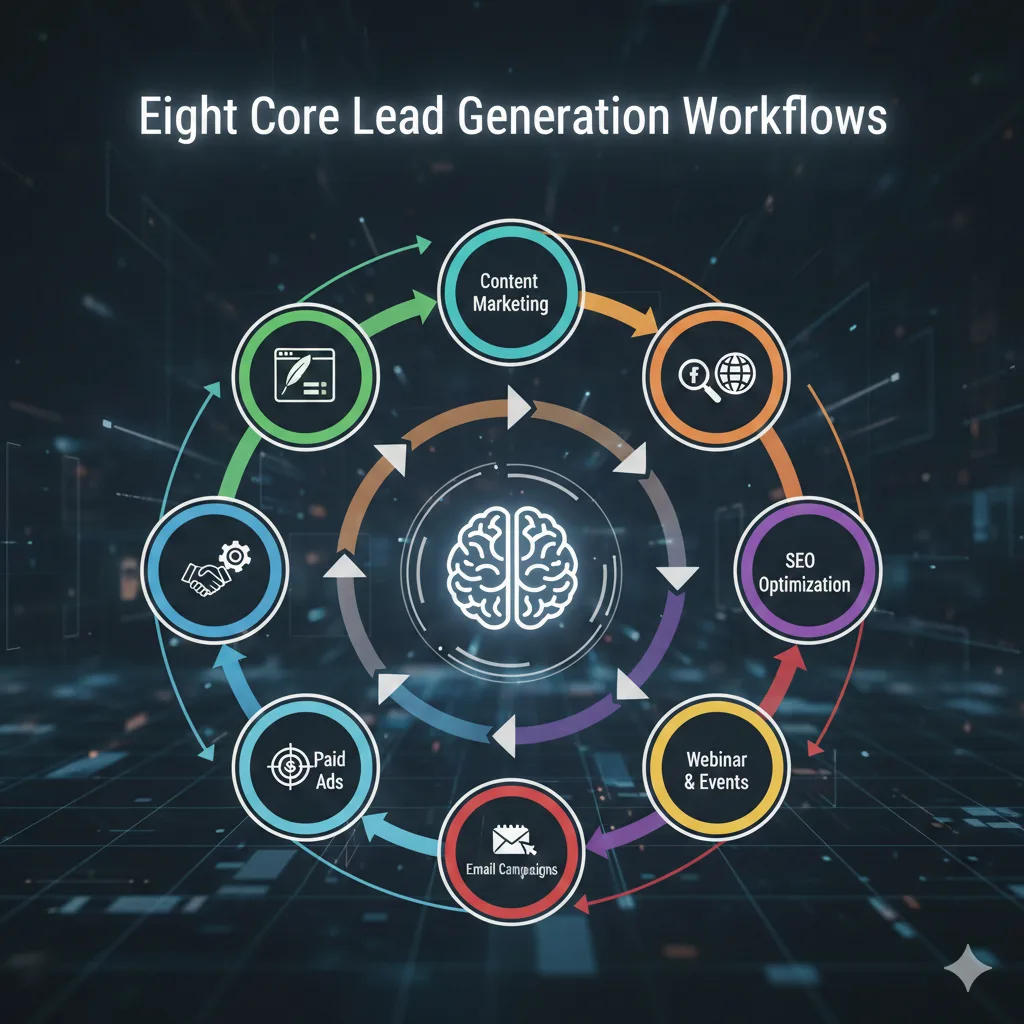
Successful automation implementations follow established workflows that systematically move prospects from awareness through decision and into the customer lifecycle. These workflows operate independently yet deliver exponential results when orchestrated cohesively.

Website Visitor Identification and Behavioral Capture

Your website represents your most valuable marketing asset, yet most organizations treat it as a brochure rather than a lead generation engine. Intelligent visitor identification transforms anonymous traffic into known, qualified prospects by tracking behavior and capturing contact information at optimal moments.

This workflow begins with tracking pixels and session monitoring that document every visitor interaction: pages visited, time spent on specific sections, content downloaded, and engagement signals such as repeated visits to pricing pages or product documentation. High-intent behaviors—such as viewing case studies multiple times, spending extended time on pricing information, or submitting technical questions—activate automated capture mechanisms.

Rather than employing intrusive pop-ups that degrade user experience, sophisticated implementations deploy contextual capture strategies. A visitor who spends three minutes on your pricing page receives a strategically-timed offer for a pricing consultation. Someone downloading a technical guide gets an instant confirmation email with complementary resources and an automated follow-up sequence. Progressive profiling approaches ask for new information across multiple interactions, building comprehensive lead profiles while maintaining reasonable conversion rates.

Immediate data enrichment enhances lead quality within seconds of capture. The system appends company information, firmographic data, LinkedIn profiles, and industry details from third-party databases, transforming a raw email address into a lead profile rich with decision-making context. This enriched data drives immediate segmentation and personalization, ensuring the next touchpoint aligns with the prospect’s demonstrated interests.

Lead Scoring and Intelligent Qualification

Not all leads possess equal value. Effective organizations implement lead scoring systems that assign numerical values to prospects based on both explicit characteristics and implicit behavioral signals, creating an objective qualification framework that supersedes subjective judgment.

Modern scoring models operate across multiple dimensions. Demographic scoring awards points for organizational characteristics: 15 points for companies with 100+ employees, 10 points for directors-level or higher job titles, 8 points for specific high-value industries. Behavioral scoring awards points for engagement: 5 points for each email opened, 15 points for downloading premium content, 25 points for requesting a demo or consultation. Temporal signals capture momentum: recent website visits score higher than interactions from months prior.

The system recalculates scores continuously as new data arrives. When a prospect crosses the sales-ready threshold, the automation immediately notifies the assigned sales representative, creates a task for immediate follow-up, and delivers a comprehensive engagement summary including all touchpoints, expressed pain points, and product interests. This context enables reps to begin conversations with sophisticated understanding rather than cold research.

Leads whose scores decline due to inactivity automatically transition into re-engagement workflows. A prospect who went dormant after initial interest receives targeted messaging highlighting new developments, success stories from similar companies, or updated solutions addressing their expressed challenges. This systematic approach prevents valuable prospects from disappearing into forgotten email archives.

Multi-Channel Outreach Orchestration

Multi-Channel Outreach Orchestration - Business for Unlimited Leads in 2026

Research from 2025 reveals that multi-channel campaigns achieve 287% higher response rates than single-channel efforts, yet most teams still rely heavily on email. Sophisticated automation orchestrates coordinated touchpoints across email, social media, phone, and direct mail, reaching prospects through their preferred communication channels while maintaining consistent messaging.

A typical seven-touch sequence unfolds strategically over weeks: Day 1 initiates an email introduction crafted for maximum impact. Day 3 includes a LinkedIn connection request with a personalized note referencing something specific from their profile or recent activity. Day 5 delivers a follow-up email featuring a relevant case study from their industry. Day 8 involves a phone call attempt with a professional voicemail. Day 10 shares industry research or trend analysis via email. Day 14 sends a LinkedIn message that references previous touchpoints and demonstrates genuine engagement with their challenges. Day 17 concludes with a final email outlining next steps and final opportunities.

Critically, the system tracks responses across all channels and immediately pauses sequences when a prospect engages. A LinkedIn reply halts email sequences, preventing redundancy and preserving relationship quality. Response analysis automatically routes engaged prospects to appropriate next steps: immediate sales contact, targeted nurture sequences, or assignment to specialized team members based on indicated interests.

Personalization at scale becomes feasible through merge fields and behavioral branching. Messages pull prospect names, company information, industry-specific pain points, and previous content interactions from the lead record, creating the impression of individual attention while operating at scale. Branches adapt sequences based on engagement: highly responsive prospects accelerate to sales-focused content, while disengaged prospects receive alternative messaging approaches or special offers designed to recapture attention.

Email Nurture Campaigns and Educational Sequences
Business for Unlimited Leads in 2026

Email remains the highest-ROI channel in marketing, yet most organizations squander its potential through generic campaigns and poor timing. Effective automation deploys progressive nurture sequences that guide prospects through the buyer’s journey with carefully selected educational content.

A typical early-stage nurture sequence for leads not yet sales-ready follows a deliberate progression. The first email addresses industry trends and challenges, establishing your organization’s expertise and authority. The second focuses on common pain points and their business impact, helping prospects recognize their own challenges. The third presents solution approaches and industry best practices, broadening thinking beyond current tools. The fourth highlights product-specific capabilities, demonstrating how your solution addresses discussed challenges. The final email delivers customer success stories and conversion-focused calls-to-action, motivating progression toward sales engagement.

Behavioral branching multiplies effectiveness. Leads who open multiple emails and click through to resources accelerate into product-focused content, while those showing minimal engagement receive entirely different messaging: educational content addressing deeper pain points, alternative value propositions, or special offers designed to resurrect interest. This conditional logic ensures every prospect receives content aligned with their engagement level and demonstrating interests.

Timing optimization leverages historical performance data to identify when individual prospects are most likely to engage. A prospect whose clicks consistently occur on Wednesday mornings receives emails scheduled for Wednesday. Another prospect showing engagement primarily during evening hours receives messages timed accordingly. This algorithmic approach to send-time optimization improves open and click-through rates by 15-20% compared to fixed schedules.

Social Media and LinkedIn Automation

LinkedIn has evolved into a primary prospect discovery and engagement channel, yet the platform’s connection and messaging limits make manual outreach impossible at scale. Sophisticated automation identifies prospects matching specific criteria, initiates connections with personalized messages, and systematically nurtures relationships through the platform.

The workflow identifies high-intent prospects through multiple signals: those engaging with industry content, joining relevant professional groups, commenting on competitor posts, or demonstrating specific job title patterns indicating decision-making authority. The system automatically sends connection requests to these prospects with personalized notes that reference something specific: recent job changes, commentary on industry challenges, or mutual connections.

Upon connection acceptance, the automation initiates a personalized message sequence. Unlike generic templates, these messages reference the prospect’s specific background, recent activity, expressed interests, or common challenges within their industry. Research demonstrates that personalized LinkedIn outreach doubles response rates compared to generic templates.

The system monitors prospect activity and responds dynamically. Someone who engages with your content receives priority attention. Someone who changes jobs is immediately identified and contacted with congratulatory messaging positioning your solution as valuable for their new role. Someone who comments on a competitor’s post receives messaging highlighting differentiated approaches your organization offers.

Integration with platforms like Zapier and Make enables bi-directional data flow between LinkedIn and your CRM, eliminating manual data entry and creating seamless handoffs from LinkedIn engagement to email sequences or sales outreach.

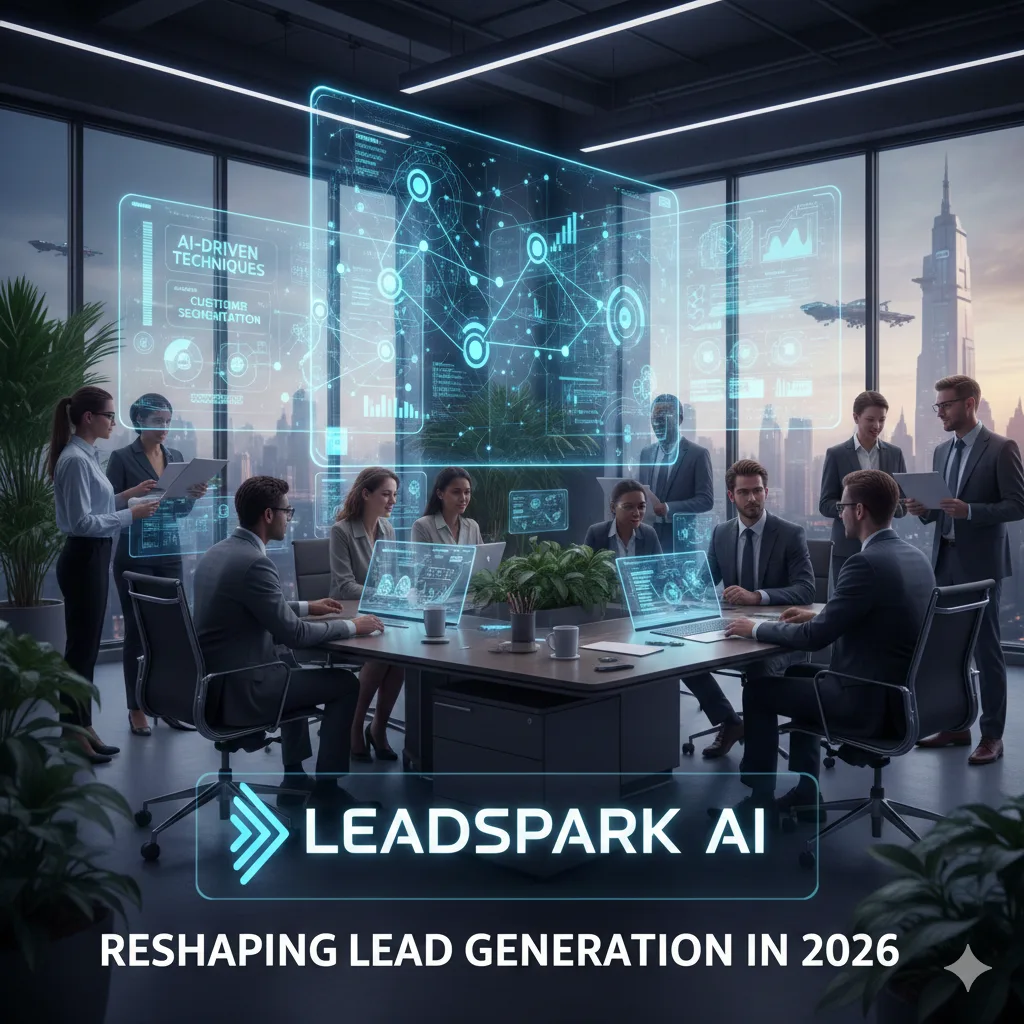
AI-Powered Chatbots for Qualification and Engagement

AI-Powered Chatbots for Qualification and Engagement - Business for Unlimited Leads in 2026

AI-powered chatbots represent one of the highest-impact automation opportunities, providing instant engagement for website visitors 24/7 while systematically qualifying prospects for sales follow-up. University of Pennsylvania’s Wharton School research in 2025 documented that companies deploying AI chatbots for lead qualification saw 45% increases in qualified leads alongside 20% reductions in time-to-first-contact—metrics that directly impact pipeline and revenue.

Modern chatbots operate through conversational flows that feel natural while systematically gathering qualification information. Initial engagement greets visitors and asks what they’re evaluating, which challenges they’re addressing, or what brought them to the site. Progressive qualification asks follow-up questions about organizational size, timeline, current solutions in use, and decision-making processes. Smart routing evaluates responses in real-time and, when prospects indicate immediate need and meet qualification criteria, offers to schedule demos directly within the conversation, syncing with sales representatives’ calendars.

The system captures all conversation data in your CRM, creating comprehensive lead records that include stated pain points, budget constraints, decision-making timelines, and product interests. This information flows directly to sales representatives, eliminating the need for re-qualification calls and accelerating sales conversations.

For prospects not yet sales-ready, the chatbot collects email addresses and automatically enrolls them in appropriate nurture sequences. A prospect exploring your product feeds into an educational track. A prospect in early research enters a value-focused sequence. A prospect expressing budget concerns enters a ROI-focused track.

 Intelligent Lead Routing and Assignment

Not all leads suit all sales representatives. Effective organizations implement lead routing automation that distributes qualified prospects based on sophisticated rules maximizing conversion probability and team capacity.

The system evaluates multiple factors in real-time: lead score (higher-scoring prospects route to top performers), geographic location (territory-based routing), industry expertise (industry specialists receive industry-specific leads), product interest (specialists handle leads interested in specific product areas), and representative capacity (distribution balances workload).

Different routing strategies serve different organizational needs. Territory-based routing assigns leads to representatives covering specific geographic regions, ensuring regional expertise and relationship continuity. Industry-based routing matches leads with representatives specializing in particular sectors, maximizing domain knowledge. Performance-based routing prioritizes top-performing representatives for highest-value leads, concentrating resources on maximum conversion likelihood. Round-robin distribution balances opportunity across the team, preventing top performers from becoming bottlenecks.

Escalation protocols ensure no lead falls through cracks. If an assigned representative doesn’t respond within defined timeframes, the system automatically routes to backup team members. If a representative is on vacation or at capacity, the system reroutes automatically, maintaining response time quality.

Re-engagement and Win-back Campaigns

Leads have lifecycles. Prospects who were engaged six months ago but showed no recent activity represent latent opportunities, often neglected by teams focused on new lead generation. Effective automation identifies dormant leads and initiates targeted re-engagement campaigns designed to revive interest before prospects cool entirely.

The workflow monitors lead activity and triggers re-engagement sequences when specific conditions emerge: no email opens in 30 days, no website visits in 45 days, or no response to previous outreach attempts. Re-engagement messaging takes a different approach than initial nurture, acknowledging the previous relationship while offering fresh value. A typical sequence might start by asking if circumstances have changed, followed by updated case studies, new product information, or exclusive offers designed to recapture attention.

The system prioritizes re-engagement efforts intelligently. High-scoring leads who went dormant receive aggressive re-engagement through multiple channels and personalized outreach from sales representatives. Lower-scoring leads enter automated email sequences. This tiered approach maximizes ROI on re-engagement investment.

AI-Driven Techniques Reshaping Lead Generation in 2026

AI-Driven Techniques Reshaping Lead Generation in 2026 - Business for Unlimited Leads in 2026

Artificial intelligence has evolved from a buzzword into the fundamental engine of modern lead generation. Organizations leveraging AI-powered techniques capture and convert leads at scale impossible through traditional approaches.

Agentic AI: Multiple Agents Working in Concert

Business for Unlimited Leads in 2026
Credits – Infosys

The most advanced automation systems employ multiple AI agents operating simultaneously, each specializing in distinct functions. A prospector agent discovers leads matching your ideal customer profile. An enrichment agent appends missing data and validates contact information. A qualification agent analyzes behavioral signals and assigns scores. A smart inbox agent manages conversations and identifies response patterns. A writer agent crafts personalized outreach based on prospect context.

These agents work in concert, with the output of one feeding into the next. The prospector identifies 500 prospects matching your criteria. The enrichment agent validates emails and appends company data within minutes. The qualification agent scores each prospect based on 50+ signals. The smart inbox agent categorizes them by stage. The writer agent creates 500 personalized outreach messages. The system then deploys these messages across multiple channels with optimal timing.

This orchestration delivers results that exceed manual processes by orders of magnitude. Jeeva AI users—an agentic platform—report saving 10-14 hours weekly in manual research and lead building, with improvements in reply rates that persist across campaigns.

Intent-Based Targeting with Behavioral Analysis

AI systems now identify purchase intent through sophisticated behavioral analysis. The system doesn’t simply track demographics—it analyzes buying signals indicating purchase readiness. Someone spending 15 minutes on your pricing page is further along in the buying journey than someone on a blog post. Someone visiting your case studies, ROI calculators, and demo pages in sequence is significantly hotter than someone viewing general product information.

Intent-based AI scores leads not just on fit but on readiness, enabling sales teams to prioritize high-probability opportunities. Historical data trains algorithms to recognize patterns predicting conversion. Companies receiving recent funding are more likely to buy. Teams who just hired new managers often purchase solutions for scaling teams. Prospects whose companies grew 30%+ year-over-year typically have budget allocated.

Real-Time Lead Enrichment and Continuous Updates

Static lead data rapidly becomes obsolete. Job changes occur weekly. Company news breaks daily. Technologies change with new hires and new initiatives. Advanced automation systems maintain lead freshness through continuous enrichment. The system automatically checks for job changes, verifying when a prospect moves to a new company and capturing their new role and location. It monitors for company funding announcements, layoffs, executive changes, and product launches that might signal opportunity or risk.

This real-time awareness enables timeliness in outreach. Someone who just changed jobs to a role where your solution is highly relevant receives immediate, congratulatory outreach acknowledging their move and positioning your solution for their new challenges. Someone whose company just received Series C funding is immediately contacted with messaging around scaling challenges their new resources address.

Predictive Lead Scoring Beyond Historical Patterns

Traditional lead scoring reflects historical patterns—”prospects with these characteristics converted in the past, so similar prospects will convert now.” Predictive AI goes deeper, analyzing hundreds of signals to estimate conversion probability for each individual prospect.

The system identifies micro-patterns that humans would never recognize. Prospects who download multiple resources within a single session convert at double the rate of those spreading downloads over weeks. Prospects whose company recently changed CRMs are 3x more likely to evaluate new sales solutions. Prospects who engage with your content immediately after visiting competitors are 2x more likely to be in active evaluation.

These granular patterns, multiplied across thousands of data points, create highly accurate conversion probability scores. This enables precision targeting where resources concentrate on leads most likely to convert.

AI-Powered Personalization at Scale

Personalization at scale was previously an oxymoron—personal messaging requires individual attention, and individual attention doesn’t scale. AI resolves this tension by analyzing prospect backgrounds and creating individualized outreach at scale.

The system ingests a prospect’s LinkedIn profile, company information, website activity, content downloads, and email engagement history. It analyzes this data to identify likely pain points, appropriate use cases, and decision-making context. It then generates outreach templates that feel genuinely personalized. “Your company’s 40% headcount growth this year typically drives challenges around training and development—here’s how other fast-growing companies address this…” This message feels written specifically for this prospect, yet the system generates thousands such messages hourly.

Personalization extends to content delivery. Email sequences adapt based on industry, company size, and role, ensuring software engineers receive different content than C-suite executives. Landing pages dynamically adjust messaging based on traffic source—PPC visitors see different headlines than organic search visitors.
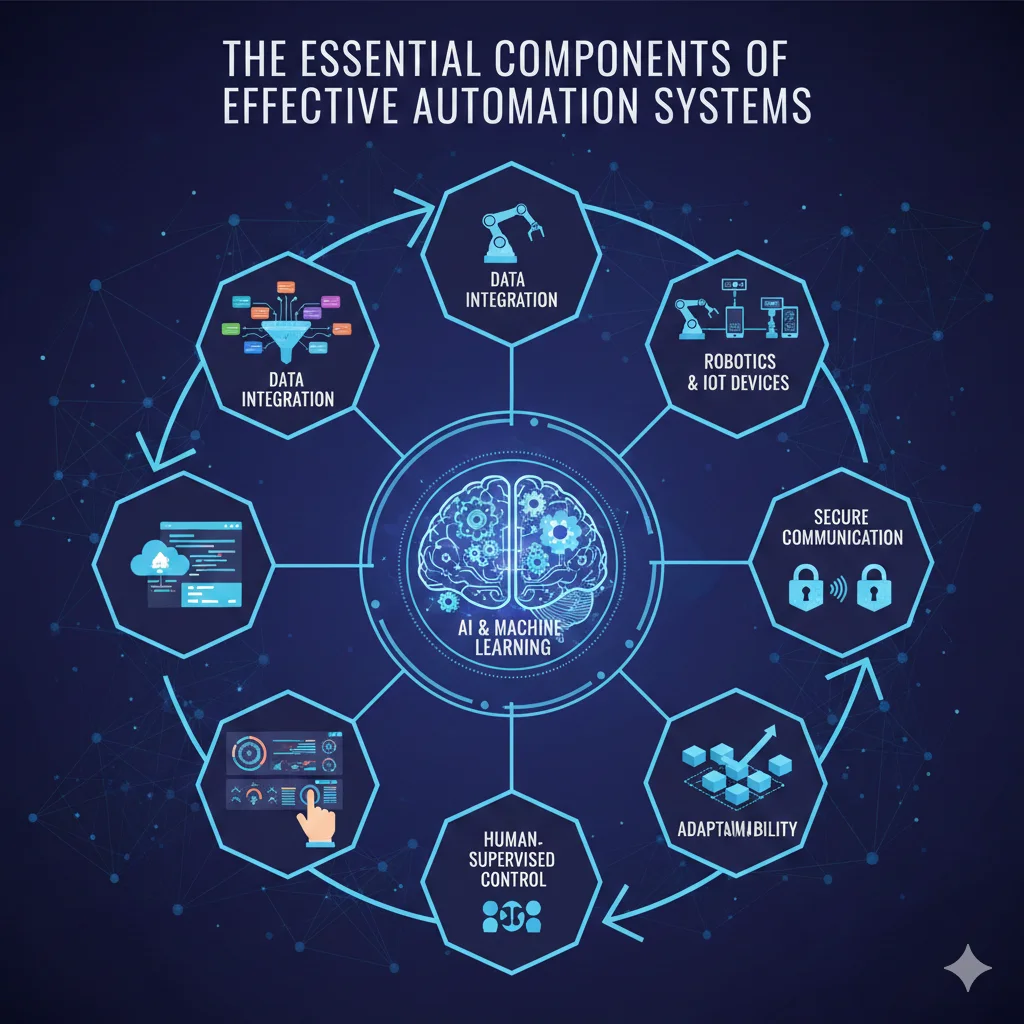
The Essential Components of Effective Automation Systems

The Essential Components of Effective Automation Systems - Business for Unlimited Leads in 2026

Implementing unlimited lead generation requires integrating multiple technologies and platforms into cohesive systems. Organizations attempting to bolt automation onto broken fundamentals inevitably fail.

Unified CRM Infrastructure

Your CRM serves as the central hub where every contact detail, conversation, qualification status, and sales activity integrates into a single system. Modern CRM automation enables:

  • Automatic data capture: Forms, chatbots, and social platforms connect directly to your CRM, creating lead records without manual entry
  • Built-in data quality: Automated validation, deduplication, and enrichment maintain data accuracy and consistency
  • Cross-platform synchronization: Bi-directional data flow between CRM and marketing tools ensures information stays fresh across systems
  • Relationship visibility: Complete interaction history enables context-rich conversations

When a new lead arrives, the CRM checks for duplicates by matching email addresses and company domains. Validation rules ensure required fields are complete and properly formatted. Email engagement from your marketing platform automatically updates lead scores. Sales activities logged in the CRM trigger next steps in automation sequences.

Popular platforms like HubSpot, Salesforce, and Zoho offer the depth of functionality required for sophisticated automation. The specific platform matters less than its ability to integrate deeply with your marketing, communication, and enrichment tools.

Lead Capture and Conversion Platforms

Sophisticated lead capture goes far beyond simple web forms. Modern platforms employ progressive profiling, gathering information gradually across multiple interactions. Smart forms remember what they’ve already asked of returning visitors and request new information, improving conversion rates while building comprehensive profiles.

Advanced capture platforms include built-in enrichment at the point of collection. A visitor provides only their email address, and the system automatically populates company, role, industry, and firmographic data. This approach maximizes conversion rates while gathering qualification information.

Email verification at capture prevents bad data. Disposable email addresses are flagged. Role-based emails trigger alerts. The system tests email deliverability before adding prospects to nurture sequences, protecting sender reputation.

Workflow Automation Engines

The automation engine executes workflows based on triggers, conditions, and actions that define system behavior. Non-technical users employ visual workflow builders (drag-and-drop interfaces) to create sophisticated automation without programming knowledge.
Business for Unlimited Leads in 2026
Credits – Business for Unlimited Leads in 2026 go digital alpha

Workflows can be remarkably complex: “If a prospect downloads a pricing guide AND visits the pricing page twice within 7 days AND hasn’t responded to the previous email, THEN send a personalized pricing consultation offer, assign to the highest-performing sales rep in their territory, and create a calendar task for same-day follow-up.”

Testing capabilities validate workflows before deployment, showing exactly how leads progress through each step and identifying logic errors. Version control prevents accidental changes to production workflows, ensuring stability.

Analytics, Reporting, and Optimization Dashboards

Data visibility drives continuous improvement. Comprehensive analytics track:

  • Lead volume metrics: Sources, conversion rates, qualification percentages
  • Performance indicators: Response times, follow-up rates, engagement scores
  • Revenue attribution: Which campaigns and channels drive closed deals
  • Team productivity: Activities per representative, conversion rates by owner

Funnel analysis identifies where leads progress smoothly and where they stall. Segmentation analysis reveals which customer types, industries, and lead sources generate highest lifetime value. Attribution reporting connects marketing activities to revenue outcomes, showing which campaigns ultimately drive closed deals.
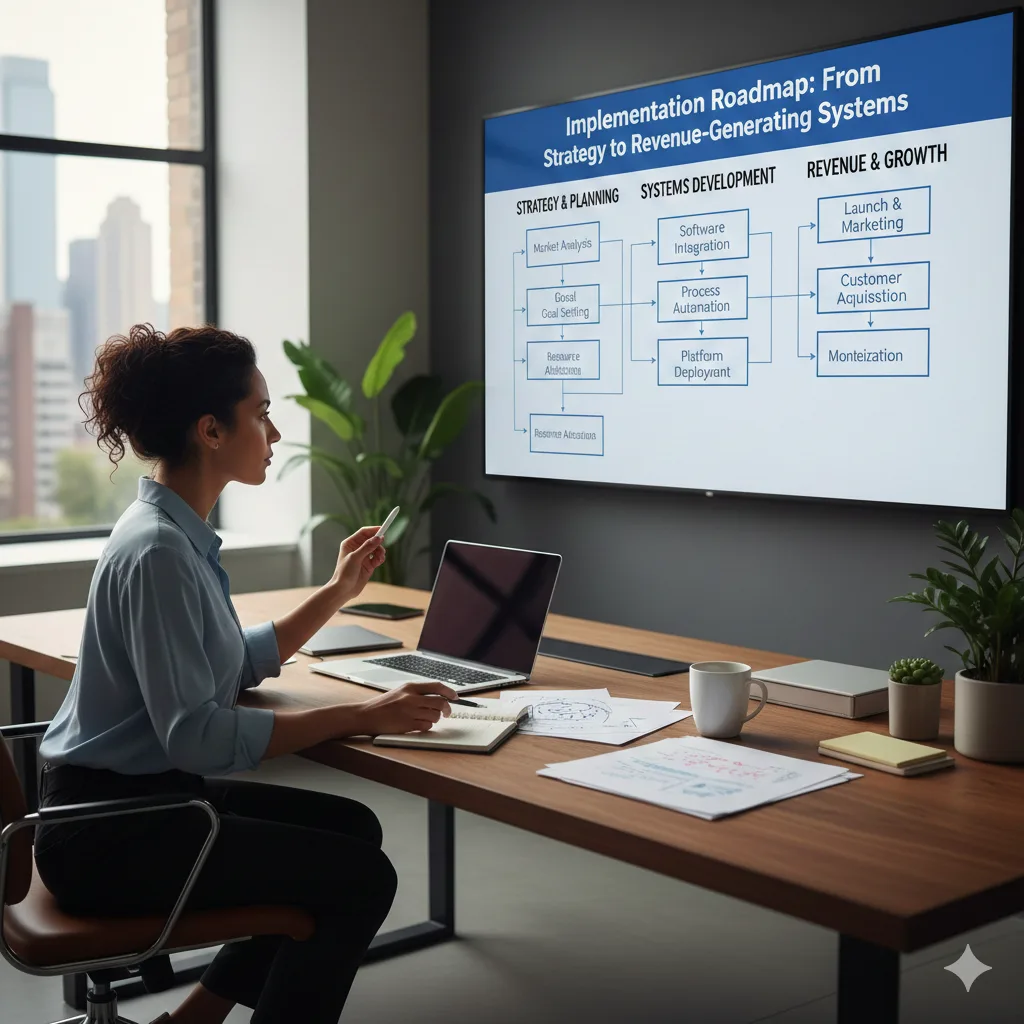

Implementation Roadmap: From Strategy to Revenue-Generating Systems

Implementation Roadmap: From Strategy to Revenue-Generating Systems - Business for Unlimited Leads in 2026

Successful automation implementation follows a systematic approach, avoiding common pitfalls that derail well-intentioned initiatives.

Phase 1: Process Mapping and Current State Assessment

Begin by documenting your existing lead generation process step-by-step. Where do leads currently come from? How are they captured and entered into your system? Who qualifies them and by what criteria? How do they move through nurture sequences? When and how does sales engagement occur? Where do they stall or drop off?

This mapping reveals inefficiencies, manual bottlenecks, and data gaps preventing optimization. You’ll typically identify 15-25 hours weekly of pure manual work—data entry, research, duplicate management, follow-up coordination—that automation can eliminate.

Phase 2: Define Automation Opportunities and Quick Wins

Based on process mapping, identify opportunities ranked by impact and implementation difficulty. Quick wins—high-impact, low-effort automation—build organizational confidence and ROI quickly.

Quick wins often include: email response automation (automatic replies confirming receipt and providing next steps), lead routing automation (distributing new leads to assigned reps), duplicate management (automated deduplication preventing multiple contacts to same prospect), and segmentation automation (automatically tagging leads by source and characteristic).

These wins typically deliver 15-20% efficiency improvements immediately, creating proof-of-concept for more comprehensive initiatives.

Phase 3: Platform Selection and Integration Planning

Choose platforms based on your specific needs rather than selecting first and fitting your process afterward. Critical evaluation criteria:

  • Integration capabilities: Does the platform connect with your CRM, marketing tools, and communication systems?
  • Ease of use: Can your team build automation without requiring developers?
  • Scalability: Can the platform handle your growth targets in contacts, automation volume, and usage?
  • Support: Does the vendor provide adequate onboarding and ongoing support?

Plan integrations carefully. Data flows between platforms should be automated, occurring in real-time or scheduled regularly. Manual data exports and imports introduce delays and errors.

Phase 4: Pilot Implementation with Single Workflow

Rather than overhauling everything simultaneously, implement a single workflow as a pilot. Choose one workflow addressing a clear pain point or opportunity: perhaps automating email nurture sequences, implementing lead scoring, or deploying a chatbot on your highest-traffic landing page.

Define success metrics upfront: open rates, click-through rates, conversion rates, response times. Compare performance before and after automation. Most pilots deliver 20-30% improvements in key metrics within 60-90 days.

Document learnings from the pilot. What aspects of the workflow performed better than expected? What required adjustment? What changes would improve results? These insights inform subsequent workflow implementations.

Phase 5: Gradual Expansion and Team Onboarding

After validating your approach through the pilot, expand systematically. Rather than implementing all eight workflows simultaneously, deploy them sequentially over 6-9 months: month one addresses visitor capture, month two adds lead scoring, month three introduces email nurture, and so forth.

This paced approach allows team adaptation, avoids overwhelming support resources, and provides time to optimize each workflow before adding complexity.

Comprehensive training ensures your team can manage automation effectively. Provide hands-on workshops covering workflow logic, troubleshooting common issues, and optimization approaches. Create documentation enabling team members to solve problems independently.

Phase 6: Measurement, Analysis, and Continuous Improvement

Measure performance obsessively. Track all metrics identified during planning: lead volume, conversion rates, response times, cost per lead, and revenue attribution.

Compare automated processes to your pre-automation baseline. If lead response time dropped from 6 hours to 15 minutes but conversion rates remained flat, the speed improvement alone justifies automation. If conversion rates improved 25% while response time improved 90%, you’ve fundamentally transformed your business.

Use performance data to drive optimization. If email open rates are underperforming benchmarks, test new subject lines and send times. If chatbot conversation abandonment is high, revise questions to be simpler. If lead routing is sending prospects to reps outside their specialty, adjust routing rules.

Measuring Success: Key Performance Indicators for Automated Lead Generation

Measuring Success: Key Performance Indicators for Automated Lead Generation - Business for Unlimited Leads in 2026

Automation delivers measurable results, but only if you track appropriate metrics. Industry benchmarks provide context for your performance.

Response Time: Leads contacted within 5 minutes convert at 3x the rate of those contacted 30 minutes later. Target sub-5-minute response times for high-intent prospects.

Conversion Rate: B2B benchmarks typically show 10-15% conversion rates from lead to opportunity. Automation typically improves conversion rates 20-30% through faster response and better qualification.

Cost Per Lead: Calculate automation platform costs, divided by monthly leads generated. Benchmark CPL is $5-25 depending on industry and lead quality.

Lead Quality: Track percentage of leads that meet sales-ready criteria. Benchmark qualification rates range 20-40%, with automated processes typically reaching 35-45%.

Sales Cycle Length: Measure days from initial lead capture to closed deal. Automation typically compresses sales cycles 25-35%.

Lead Velocity: Track how many leads progress through each funnel stage weekly. Faster velocity indicates healthier pipeline progression.

Revenue Per Lead: Calculate revenue generated divided by leads acquired. This metric reveals whether you’re optimizing for volume at the expense of quality.

Conclusion: The Unlimited Lead Generation Future

Conclusion: The Unlimited Lead Generation Future - Business for Unlimited Leads in 2026

Unlimited lead generation is no longer aspirational—it’s achievable through systematic implementation of proven automation frameworks. Organizations that master these approaches don’t face lead shortages; they face abundance, enabling sales teams to focus on conversion and customer success rather than prospecting.

The technical tools exist. The frameworks are established. The case studies prove results. What separates successful organizations from those stuck in manual processes isn’t access to technology—it’s commitment to systematic implementation, continuous measurement, and iterative optimization.

In 2026, automation has become table stakes. Organizations that fail to automate face growing competitive pressure from those who have. The question is no longer whether to automate, but how quickly you can implement systems that transform lead generation from a constraint into an engine of predictable growth.

Start today. Begin with a single workflow. Measure results. Iterate. Scale systematically. Within 12 months, you’ll have transformed how your organization generates leads—from manual scarcity to automated abundance.

Share this post :

Newsletter

Get free tips and resources right in your inbox, along with 10,000+ others

Latest Post

Add Your Heading Text Here

Lorem ipsum dolor sit amet, consectetur adipiscing elit. Ut elit tellus, luctus nec ullamcorper mattis, pulvinar dapibus leo.

Also Read:

Top Free Video Generation Hacks in 2026
Business for Unlimited Leads in 2026
Best App Development Services in Europe
Top Social Media Marketing Services in Canada

Leave a Reply

Your email address will not be published. Required fields are marked *

error: Create something of your own!