
Key Takeaways
- Introduction: Why Europe Demands a Different Approach to Social Media Marketing
- Mastering Platform-Specific Strategies: The Multi-Channel European Playbook
- Leveraging Micro-Influencer Partnerships: Authenticity Over Reach
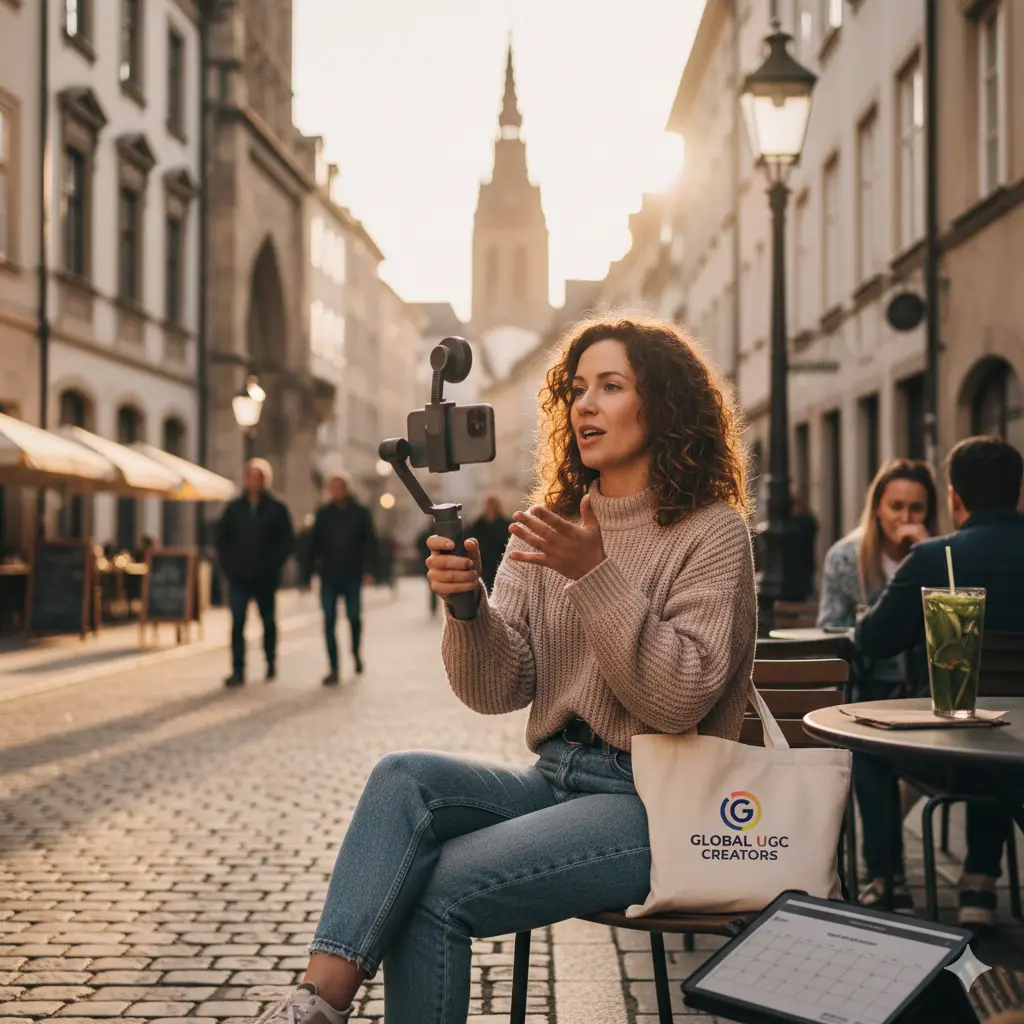
- User-Generated Content (UGC): Turning Customers Into Brand Advocates
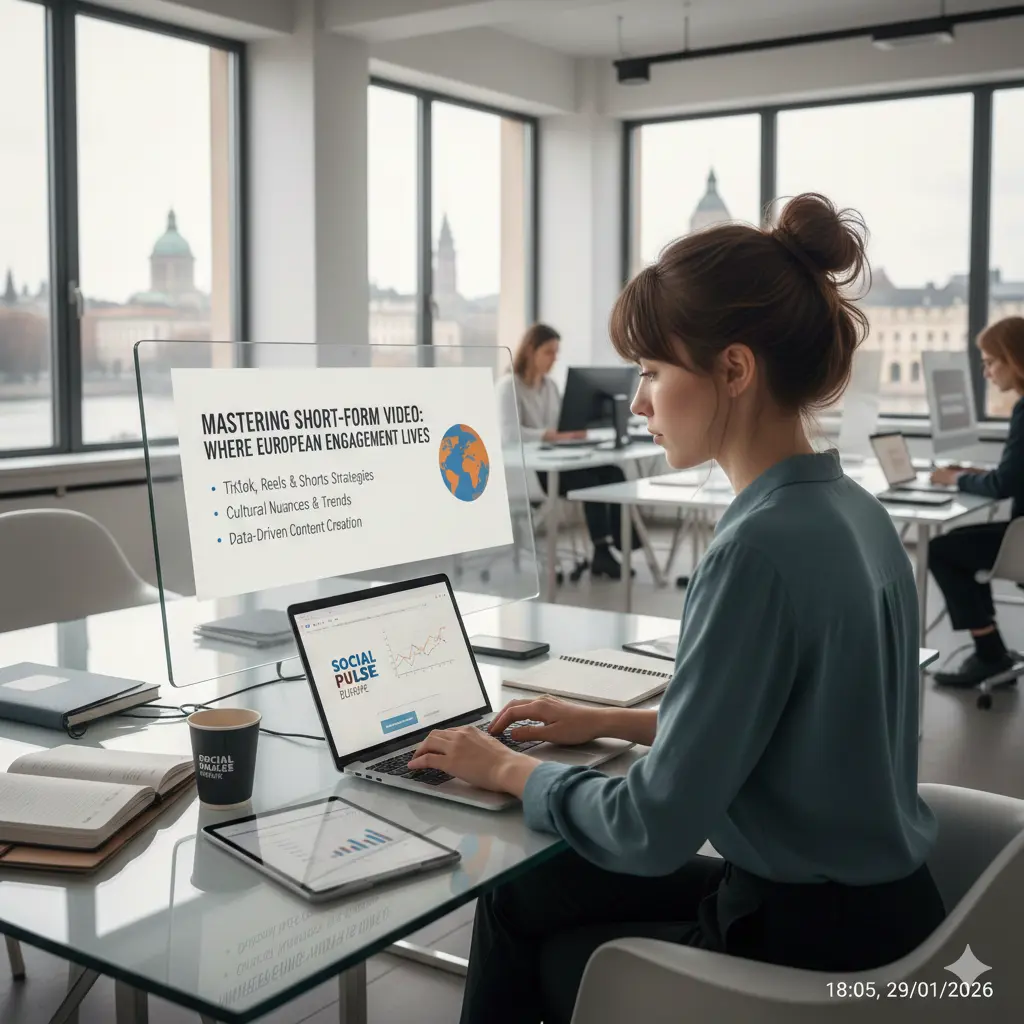
- Mastering Short-Form Video: Where European Engagement Lives
- Social Commerce Integration: From Discovery to Purchase
- AI-Powered Personalization and Automation: Scaling at Human Speed
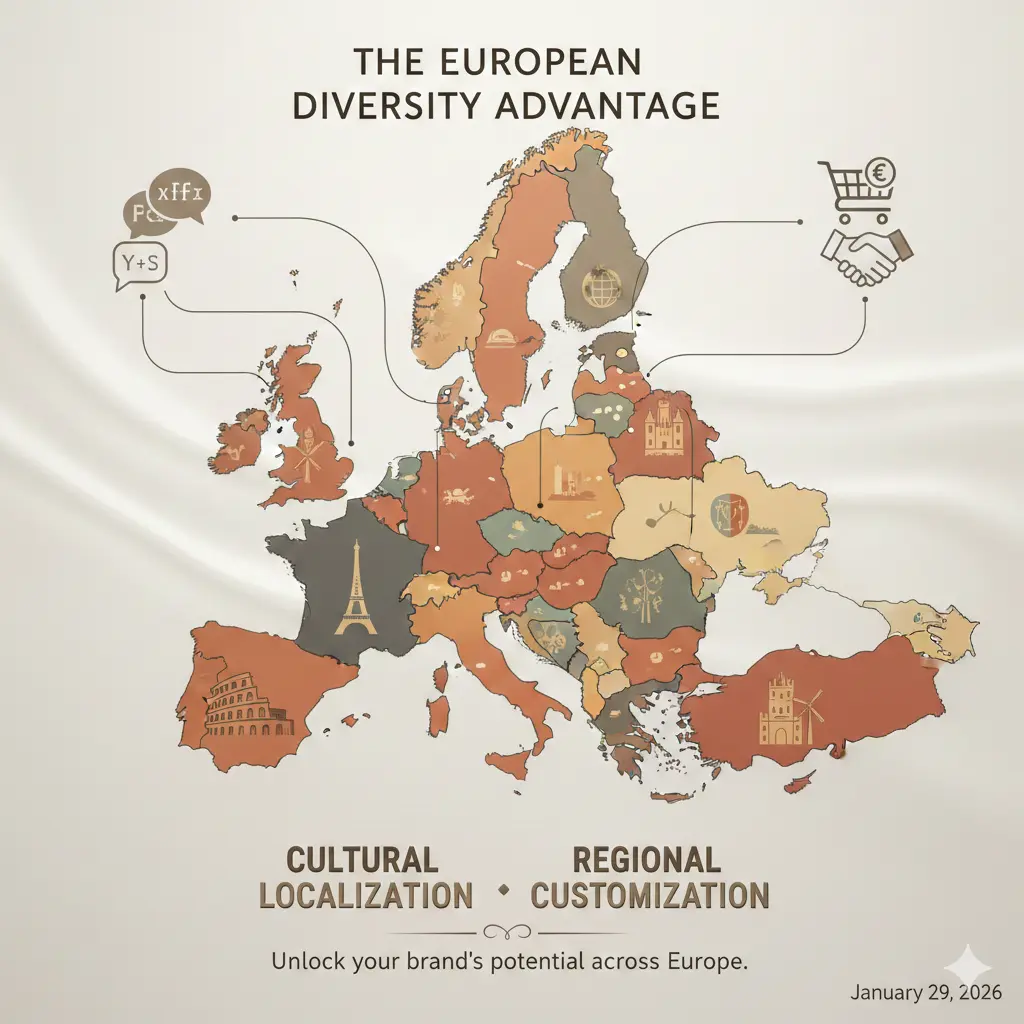
- Cultural Localization and Regional Customization: The European Diversity Advantage
- Best Social Media Marketing Services in Europe: What Sets Them Apart
- Emerging Trends Shaping European Social Media Marketing in 2026
- Conclusion: The European Opportunity in 2026
Introduction: Why Europe Demands a Different Approach to Social Media Marketing
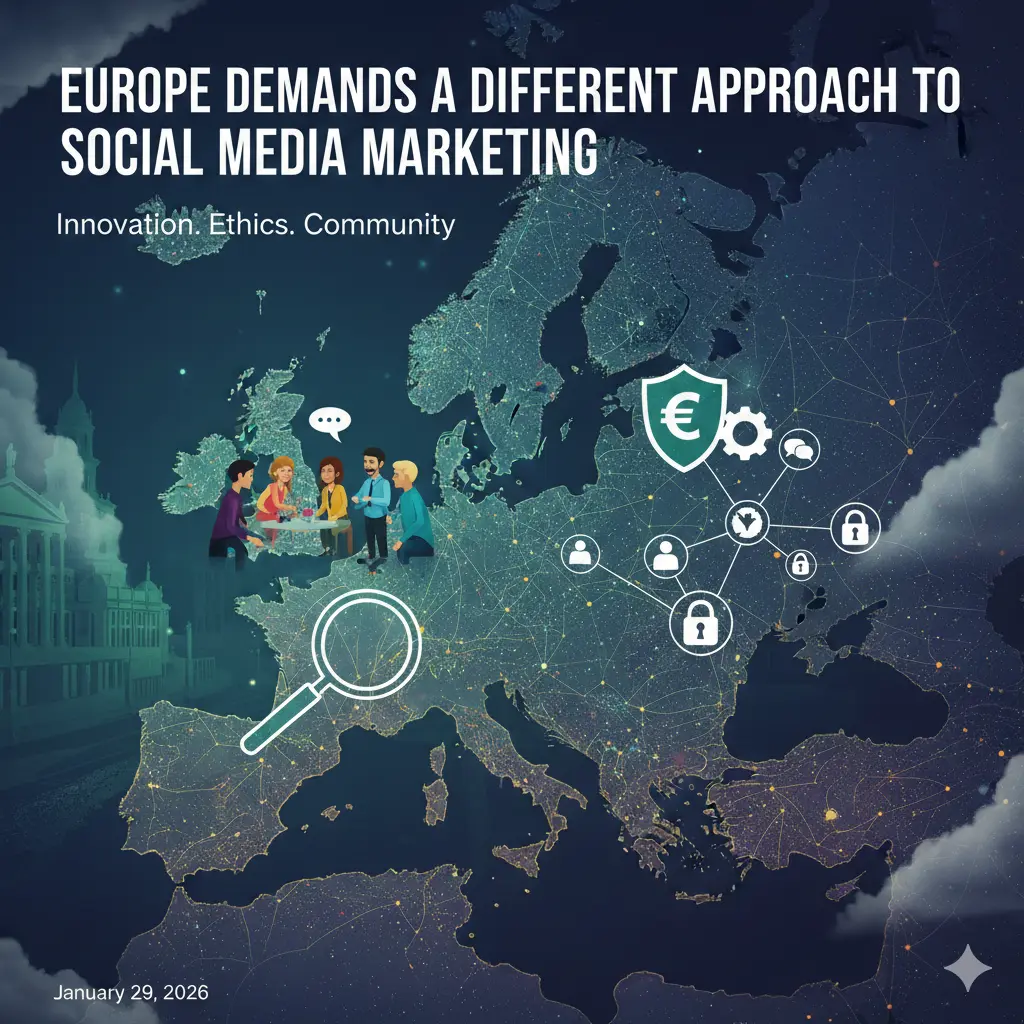
The European social media landscape is fundamentally different from what most marketers experience globally. With a social media penetration rate of 81.7% in Northern Europe—far exceeding the global average of 62.3%—the opportunity is immense. Yet, this same sophistication makes Europe one of the most challenging and rewarding markets for brands willing to adapt their strategies.
European consumers are notoriously privacy-conscious, culturally diverse, and skeptical of generic marketing tactics. They value authenticity, transparency, and ethical brand practices. Meanwhile, regulatory frameworks like GDPR have set the gold standard for data protection globally, making compliance non-negotiable. For agencies and service providers, this creates both barriers and opportunities.
In 2026, the European advertising market is experiencing unprecedented growth, with social media spending projected to increase by 11.0%—outpacing search growth at 7.9%. This shift signals a fundamental truth: European audiences are where attention lives, and businesses that master social media marketing in this region will unlock exponential growth.
This comprehensive guide explores the seven most effective tactics leveraged by Europe’s top social media marketing services to scale businesses across the continent. These strategies are derived from real-world campaigns, industry research, and data-driven insights from leading agencies operating across the UK, Germany, France, Italy, Spain, and the Nordics.
Mastering Platform-Specific Strategies: The Multi-Channel European Playbook
Europe’s fragmented digital landscape demands more than a one-size-fits-all approach. Different European markets exhibit distinct platform preferences, and understanding these nuances is the first competitive advantage.
LinkedIn Dominance for B2B Success
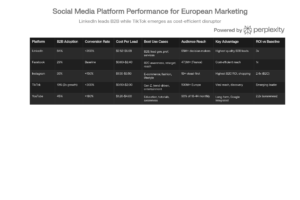
LinkedIn has cemented its position as the backbone of B2B social media marketing in Europe. The platform accounts for 80% of all B2B social media leads generated across the region, with 40% of B2B marketers rating it as the most effective channel for generating high-quality prospects. More critically, LinkedIn leads convert at nearly three times the rate of leads sourced from Facebook or Instagram.
In markets like the UK, Germany, and the Nordics, LinkedIn isn’t just a platform—it’s the primary discovery channel for professional services, SaaS solutions, and B2B enterprises. European B2B buyers are methodical, research-driven, and prefer professional environments to make purchasing decisions. They use LinkedIn not as a social network but as a research and vetting tool.
The most successful European agencies are leveraging LinkedIn’s advanced targeting capabilities through Sales Navigator, allowing them to identify ideal customer profiles with surgical precision. Leaders building personal brands on the platform see 2.7 times more valuable B2B contacts and drive 1.9 times more traffic to company websites compared to standard organizational posts.
Instagram and Facebook for B2C and Social Commerce
While LinkedIn dominates B2B, Instagram has emerged as the undisputed king of B2C social commerce in Europe. Eighty-three percent of European consumers discover products via Instagram, making it the primary platform for fashion, lifestyle, beauty, and consumer goods brands. Instagram Shopping features—including shoppable posts, Stories, and the newly integrated Reels—enable seamless product discovery and purchase without friction.
Interestingly, European B2B companies often underestimate Facebook’s value. Compared to LinkedIn, Facebook delivers cost per lead 40-80% lower across markets like Germany, the Netherlands, and Scandinavia. While lead quality trails—requiring three to four Facebook leads to equal one LinkedIn conversion—the efficiency makes Facebook an essential component of layered B2B strategies, particularly for awareness and retargeting campaigns.
TikTok: The Emerging B2B Powerhouse
TikTok’s explosive growth in Europe has caught many B2B marketers off-guard. Nineteen percent of B2B marketers now use TikTok, more than double the previous year. For consumer brands and B2B companies targeting Gen Z and younger millennials, ignoring TikTok is strategically shortsighted.
The platform’s algorithmic strength is unmatched. Unlike Instagram’s declining organic reach, TikTok’s “For You Page” algorithm surfaces content based on engagement patterns rather than follower relationships, enabling new creators and brands to achieve viral visibility without massive follower bases or paid amplification. This democratization of reach has proven transformative for e-commerce, fashion, and entertainment brands across Europe.
Successful European TikTok strategies focus on entertainment and education rather than direct selling. Brands like RyanAir have achieved massive organic traction through humorous, self-aware content that feels native to the platform rather than traditional advertising.
Strategic Budget Allocation Across Platforms
Europe’s top social media marketing services recommend the following budget allocation for most B2B companies entering the European market:
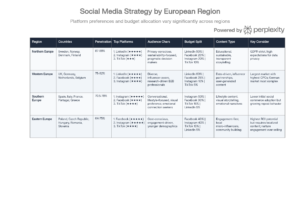
- 30-40% to Facebook: Awareness and retargeting among cost-conscious markets
- 60-70% to LinkedIn: Qualified pipeline generation and decision-maker engagement
- 10-15% to emerging platforms (TikTok, YouTube Shorts): Testing and brand awareness among younger demographics

Leveraging Micro-Influencer Partnerships: Authenticity Over Reach
One of the most significant shifts in European influencer marketing is the embrace of micro-influencers over macro-celebrities. Seventy-five percent of European brands now prioritize micro-influencers (those with 10,000 to 100,000 followers) for their campaigns, valuing authentic engagement and niche audience alignment over follower count.
Why Micro-Influencers Outperform
Micro-influencers operate in communities where their recommendations carry genuine weight. European audiences, in particular, are deeply skeptical of celebrity endorsements and obvious paid placements. They trust peer recommendations from creators who share their values and appear genuinely invested in products they promote.
A campaign by TERRITORY Influence in France demonstrates this power: a 250-influencer nano and micro-influencer collaboration for a burger chain generated 800 pieces of content, 2,080 user-generated content pieces, and 1.46 million impressions—all organic or minimally amplified. This level of content production and engagement would be impossible with traditional influencer models.
Long-Term Partnerships Over One-Off Collaborations
European brands increasingly recognize the value of sustained influencer partnerships. Rather than transactional one-off campaigns, successful strategies build brand ambassador relationships where creators authentically represent the brand over months or years.
These partnerships drive consistency, authentic storytelling, and deeper audience trust. When audiences see the same creator genuinely using a product repeatedly, skepticism dissolves, and recommendations convert at significantly higher rates.
Building a Diversified Influencer Portfolio
Rather than betting everything on a single macro-influencer, the most successful European campaigns distribute budgets across 20-50 micro-influencers aligned with specific audience segments or geographic markets.
This diversification approach:
- Reduces risk (campaign success doesn’t depend on one influencer’s performance)
- Enables A/B testing of messaging and creative approaches
- Generates authentic user-generated content at scale
- Builds geographic or demographic market penetration
User-Generated Content (UGC): Turning Customers Into Brand Advocates
User-generated content has evolved from a nice-to-have to a fundamental pillar of European social media strategy. Sixty-seven percent of European marketers predict that user-generated content on social media will become the most effective marketing strategy in their industry.
This shift is driven by profound consumer psychology: European audiences trust recommendations from peers far more than branded content. When a customer posts an unboxing video, product review, or lifestyle photo featuring your product, it carries exponential credibility compared to professional advertising.
Strategic UGC Collection and Amplification
The most effective European social media services implement systematic UGC collection strategies:
- Branded Hashtag Campaigns: Creating unique, memorable hashtags that encourage customers to tag their photos and videos. These campaigns generate massive organic content production while signaling to audiences that your brand has a community.
- Community Challenges: Launching photo or video challenges that invite participation and foster community spirit. These range from lifestyle challenges to product-use creativity challenges.
- Customer Spotlight Features: Regularly featuring customer content on brand channels, creating powerful social proof while motivating others to participate.
- Review Integration: Embedding customer reviews and ratings directly into product pages, social ads, and email campaigns. Reviews function as micro-testimonials that reduce purchase friction.
The Ripple Effect of Social Proof
Research shows that communities with strong user-generated content experience conversion rates 4 times higher than those relying solely on branded content. This multiplier effect stems from the psychological principle of social proof—when potential customers see peers endorsing a product, perceived risk decreases dramatically.
Mastering Short-Form Video: Where European Engagement Lives
The explosion of short-form video consumption has fundamentally reshaped how European brands capture attention. Platforms like TikTok, Instagram Reels, and YouTube Shorts have become the primary discovery channels for millions of European consumers.
Video Outperforms Static Content Across All Metrics
Video-based campaigns generate 34% higher conversion rates than static ads across all European platforms. On TikTok and Reels specifically, engagement rates are 3-5 times higher than traditional feed posts. For brands in fashion, beauty, entertainment, and lifestyle sectors, short-form video is non-negotiable.
The Art of Platform-Native Content
A critical mistake many brands make is repurposing identical content across platforms. Successful European campaigns treat each platform as a distinct ecosystem with its own creative expectations.
TikTok and Instagram Reels: These platforms reward entertainment-first content that educates or inspires rather than sells. The algorithm actively deprioritizes sales-focused content. Successful creators on these platforms tell stories, share behind-the-scenes moments, demonstrate products in creative ways, or entertain through humor. TikTok creators with 6 million followers attribute their success to understanding that the platform is fundamentally an entertainment medium, not a shopping channel.
YouTube Shorts: These work best for product education, tutorials, and expert positioning. Brands with longer-form YouTube audiences can repurpose educational content into snackable Shorts that feed viewers back to longer-form videos.
Production Efficiency and Scalability
Rather than creating one perfectly produced video monthly, successful European strategies produce 10-15 video assets weekly across formats. This volume enables algorithmic testing and capitalizes on platform preference for consistent, fresh content.
Agencies like MATCH Agency in Europe have developed systematic short-form production processes: trend research (1 week) → content planning (1 month) → creative development (1 month) → production and editing (2 months) → ongoing optimization (continuous). This structured approach enables sustainable content production without creative burnout.
Social Commerce Integration: From Discovery to Purchase
Social commerce represents one of the most lucrative opportunities for European brands. The market is projected to grow from €95 billion in 2024 to over €240 billion by 2030, with younger demographics driving adoption.
Platform-Native Shopping Features
Instagram and Facebook’s integrated Shop functionality enables customers to browse, compare, and purchase without leaving the app. Meta reports that brands using Shops experience up to 24% higher new customer acquisition rates. Similarly, TikTok Shop has experienced 85% year-over-year sales growth in the UK, with live shopping events driving impulse purchases through entertainment and social proof.
Live Shopping and Real-Time Engagement
Live shopping events—where creators or brand representatives demonstrate products in real-time while viewers purchase via in-app links—have proven exceptionally effective in Europe. These events combine entertainment, education, and commerce in a format that feels native to social platforms.
Successful live shopping events in Europe typically feature:
- A charismatic host (ideally a micro-influencer or brand personality)
- Product demonstrations with genuine, relatable commentary
- Limited-time offers or exclusive deals to drive urgency
- Interactive elements (polls, Q&A, viewer giveaways)
- Behind-the-scenes storytelling that builds emotional connection
Reducing Friction in the Purchase Journey
The most successful social commerce strategies minimize steps between product discovery and purchase. Multi-app checkout flows (where customers are redirected off-platform to complete purchases) experience significantly higher abandonment rates. Successful strategies use in-app checkout, saved payment methods, and one-click purchasing to reduce friction to absolute minimums.
AI-Powered Personalization and Automation: Scaling at Human Speed
Artificial intelligence has moved from a buzzword to a fundamental requirement for competitive European social media marketing. Companies deploying AI-driven personalization report average 20% increases in sales and 15-25% performance improvements within the first three months of implementation.
Real-Time Personalization at Scale
AI systems analyze customer browsing habits, purchase history, engagement patterns, and lifecycle stage to deliver personalized messaging across social channels. Unlike generic campaigns that broadcast identical messages to entire audiences, AI-personalized campaigns tailor creative, copy, messaging tone, and even product recommendations to individual customer segments.
European consumers, while privacy-conscious, respond positively to relevant personalization. The key distinction is that ethical personalization uses first-party data (with explicit consent) and respects user privacy rather than relying on invasive tracking.
Dynamic Content Optimization
AI-powered platforms enable dynamic content optimization where creative elements—visuals, headlines, product recommendations, and CTAs—automatically adjust based on individual viewer characteristics. A fashion brand might show leather jackets to a viewer whose browsing history emphasizes luxury items, while showing casual jeans to a viewer with budget-conscious behaviors.
Predictive Analytics for Optimal Timing and Channel Selection
Machine learning models predict the optimal time and channel to reach each customer. Rather than broadcasting messages at fixed times, AI systems determine whether an individual is most likely to engage via email, social media, push notification, or SMS, and when they’re most receptive.
Cultural Localization and Regional Customization: The European Diversity Advantage
Europe’s cultural and linguistic diversity is simultaneously its greatest complexity and opportunity. Unlike North America, Europe cannot be treated as a single market. Successful pan-European social media strategies require meticulous localization.
Language and Cultural Nuance
Germany demands formal, direct communication emphasizing technical specifications and value. Southern European countries (Spain, Italy, Portugal) prefer conversational tone and emotional storytelling. Nordic countries value transparency, sustainability, and pragmatic benefits.
This isn’t simply translation—it’s cultural adaptation. Copy, creative, imagery, and messaging tone must reflect regional preferences and values. A campaign that resonates in the Netherlands might fall flat in Poland.
Regional Platform Preferences
Surprisingly, platform adoption varies dramatically across European regions:
- Nordics: Highest overall social penetration (87-88%), strong LinkedIn preference for B2B, Instagram and TikTok for B2C
- Southern Europe (Spain, Italy): Facebook and Instagram dominant, cautious about social shopping initially but growing
- Eastern Europe (Poland, Czech Republic): Rapidly growing social commerce adoption, Facebook and Instagram leaders
- UK: Mature market, influencer-driven across platforms, strong TikTok adoption
Seasonal and Holiday Calendars Vary by Market
European holiday calendars and seasonal behaviors differ significantly. While Christmas drives engagement across all markets, other holidays vary—Carnival dominates in Brazil-influenced communities, Easter is prominent in traditional Catholic regions, and summer holidays create predictable engagement patterns in Mediterranean countries.
Successful strategies maintain master content calendars while allowing regional customization based on local holidays and seasonal behaviors.
Best Social Media Marketing Services in Europe: What Sets Them Apart
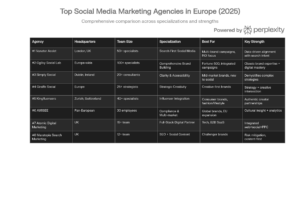
Leading European social media marketing agencies share common characteristics that drive results:
Data-Driven Decision Making
Rather than relying on intuition or trends, top agencies systematically test creative approaches, audience segments, and messaging variations. They measure everything and optimize continuously based on performance data.
Compliance-First Approach
GDPR compliance isn’t an afterthought—it’s foundational. Leading agencies build consent management, data privacy, and regulatory compliance into every campaign from inception.
Omnichannel Integration
Successful European agencies recognize that social media doesn’t exist in isolation. They integrate social with SEO, email marketing, content marketing, and paid search to create cohesive customer journeys.
Local Market Expertise
Top agencies employ regional specialists who understand language nuances, cultural preferences, and local consumer behavior. They don’t just translate campaigns—they authentically localize them.

Emerging Trends Shaping European Social Media Marketing in 2026
Community Building Over Follower Chasing
The focus is shifting from vanity metrics (follower counts) to meaningful community metrics (engagement, conversation depth, customer lifetime value).
Authenticity Premium
Generic, polished content underperforms compared to authentic, relatable content. TikTok’s success has trained audiences to expect and reward genuine storytelling over Hollywood-style production.
AI Integration Across the Stack
From content creation to customer service, AI is becoming embedded in every layer of social media operations. Smart agencies are using AI as a tool to enhance human creativity rather than replace it.
Privacy-First Personalization
With cookie deprecation and evolving regulations, successful strategies rely on first-party data collection, contextual targeting, and ethical personalization rather than invasive tracking.
Conclusion: The European Opportunity in 2026
The European social media marketing landscape in 2026 represents unprecedented opportunity for brands willing to invest in genuine localization, authentic community building, and compliance-first operations.
The tactics outlined in this guide—platform-specific strategies, micro-influencer partnerships, user-generated content, short-form video, social commerce integration, AI personalization, and cultural localization—have been proven across thousands of campaigns by Europe’s leading agencies.
Brands that master these approaches will unlock sustainable competitive advantage in the region’s €188.5+ billion advertising market. The winners will be those who recognize that European consumers demand more than marketing—they demand respect, authenticity, and genuine value creation.
The time to invest in European social media strategy isn’t 2027. It’s now.
Share this post :
Newsletter
Add Your Heading Text Here
Lorem ipsum dolor sit amet, consectetur adipiscing elit. Ut elit tellus, luctus nec ullamcorper mattis, pulvinar dapibus leo.